Dr. Muhammad Ittefaq has a diverse professional background in both journalism and strategic communication, which informs his research trajectory. Dr. Ittefaq’s research delves into the ways in which people consume and interact with information through mainstream and social media, including how they interpret scientific messages, make decisions related to climate and health, and support policies related to science. He investigates how different segments of society are influenced by the information ecosystems and messages surrounding scientific issues, while also examining how organizations use various persuasive techniques on mainstream and social media to engage with global science-related topics. In addition, his research examines the role of news media in bridging the gap between various stakeholders in public policy, including journalists, citizens, scientists, civil society, climate scientists, social justice activists, and medical professionals. Through his research, Ittefaq seeks to provide theoretical, practical, and policy insights that can help inform effective communication for promoting public understanding of science and supporting evidence-based decision-making.
Dr. Ittefaq employs a range of methodological approaches to investigate important research questions, drawing on quantitative, qualitative, and computational social science. Quantitative methods such as surveys and content analysis enable him to collect and analyze data efficiently, while qualitative methods such as textual analysis, in-depth interviews, focus groups, and thematic analysis allow him to delve deeper into people’s unique experiences and perspectives. He also utilizes computational methods such as text mining, social network analysis (SNA), and sentiment analysis to analyze large datasets and identify patterns and trends that may be difficult to detect through other methods. By utilizing a variety of research methods, he aims to gain a comprehensive understanding of the complex phenomena he investigates and to generate insights that can inform policy and practice related to science, health, and climate.
His work has been published in a range of academic journals, including International Journal of Communication, Journal of Health Communication, Health Communication, Journal of Science Communication, Information, Communication & Society, Journal of Contingencies and Crisis Management, Media, Culture & Society, Journalism: Theory, Practice & Criticism, Journalism Studies, Journalism Practice, Journal of Media Ethics, Media International Australia, Convergence: The International Journal of Research into New Media Technologies, Telematics and Informatics, Vaccine, Digital Health, Health, Risk & Society, Psychology & Health, Third World Quarterly, Death Studies, Local Environment, Global Policy, and Analyses of Social Issues and Public Policy. He has also presented his research at major international, national, and regional conferences such as International Communication Association (ICA), National Communication Association (NCA), Association for Education in Journalism and Mass Communication (AEJMC), International Environmental Communication Association (IECA), and D.C. Health Communication Conference (DCHC) which offer opportunities for dissemination and engagement with other scholars in the field. In addition to his academic work, he has also contributed to journalistic outlets such as the Society of Professional Journalists, The News International, The News on Sunday, Global Policy, USC Center on Public Diplomacy, LSE South Asia Centre, and The Educationist, demonstrating his commitment to both research and practice. He is a host of Science Talk Podcast on YouTube where he shares the latest research on climate, health, science, and technology with a wide audience.
Science Communication

Dr. Ittefaq’s research in science communication focuses on exploring how individuals and communities consume and engage with scientific information. By studying these dynamics, he aims to examine the factors that influence public attitudes, beliefs, and behaviors related to science. By gaining insights into science consumption patterns and engagement strategies, he seeks to enhance practices and extend theories related to science communication and foster a more informed and scientifically literate society. He believes that science communication involves conveying scientific knowledge to non-experts in a clear, accessible, and engaging manner, bridging the gap between scientists and the wider communities. Science communicators make complex ideas and research findings understandable by using storytelling, visuals, and analogies, while sharing timely, accurate, and latest information. The goal of science communication includes but not limited to enhancing public knowledge, raising awareness of scientific advancements, influence public policy making process, and increasing scientific literacy among various populations. Furthermore, it addresses misconceptions, encourages critical thinking, and facilitates informed decision-making regarding health, environment, and science. He is currently engaged in projects focused on science policies in South Asia, exploring ways to bridge the divide between scientists and journalists in order to enhance critical science literacy across the region.
Global Health Communication

Dr. Ittefaq’s research focuses on global health communication, investigating the dissemination and exchange of information, messages, and interventions for promoting public health and addressing global health issues. He aims to understand the dynamics of how individuals, communities, and stakeholders consume, engage with health-related information, and make decisions about their health on a global scale. By exploring various communication strategies, channels, and cultural contexts, he seeks to enhance health promotion campaigns, risk communication during emergencies, health education and awareness programs, advocacy efforts, and cross-cultural communication. His research contributes to the development of effective global health communication strategies that can bridge cultural divides, empower communities, improve health outcomes, and reduce disparities worldwide. Presently, he is working on a project that examines how individuals engage with misinformation and fact-checking concerning health issues on social media in the Majority World.
Climate Change Communication
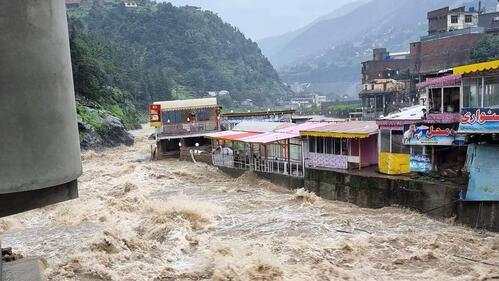
Another yet related stream of Dr. Ittefaq’s research focuses on climate change communication, examining the process of effectively conveying information and raising awareness about the causes, consequences, and solutions related to climate change. His work explored the dynamics of how different audiences, including the general public, news media, policymakers, and stakeholders, perceive, communicate, and engage with climate change information and misinformation. His research encompasses several key aspects of climate change communication, including understanding and trust in climate science, public awareness and engagement to mobilize support for climate action, risk communication to convey the potential impacts and vulnerabilities associated with climate change, and mitigation and adaptation communication to highlight the importance of reducing GHG emissions and building resilience. He also investigates behavioral change communication to encourage sustainable actions and engage policymakers and facilitate evidence-based decision-making. His recent research projects are contributing to the climate justice debate from a Global South perspective, helping to shape the discourse on climate change reparations and negotiations through climate justice advocacy.
New Media Technologies

Dr. Ittefaq’s research explores the use and impact of new media technologies in science, health, and climate change communication. He investigates how emerging digital platforms and communication tools, such as social media, mobile applications, and online communities, are utilized to disseminate information, engage audiences with mis/disinformation, and shape public discourse and behavior regarding scientific advancements, health issues, and climate change. By examining the effectiveness, reach, and engagement of these new media technologies, his research uncovers their potential in enhancing science communication, health promotion, and climate change advocacy. Further, he investigates the ethical and social implications of these technologies, including misinformation, disinformation, digital divide, and equity. He is presently conducting research into the risk and benefits perception of AI in the Global South and the correction of misinformation on social media.
 Muhammad Ittefaq